What demolition work do you do in Whalley?
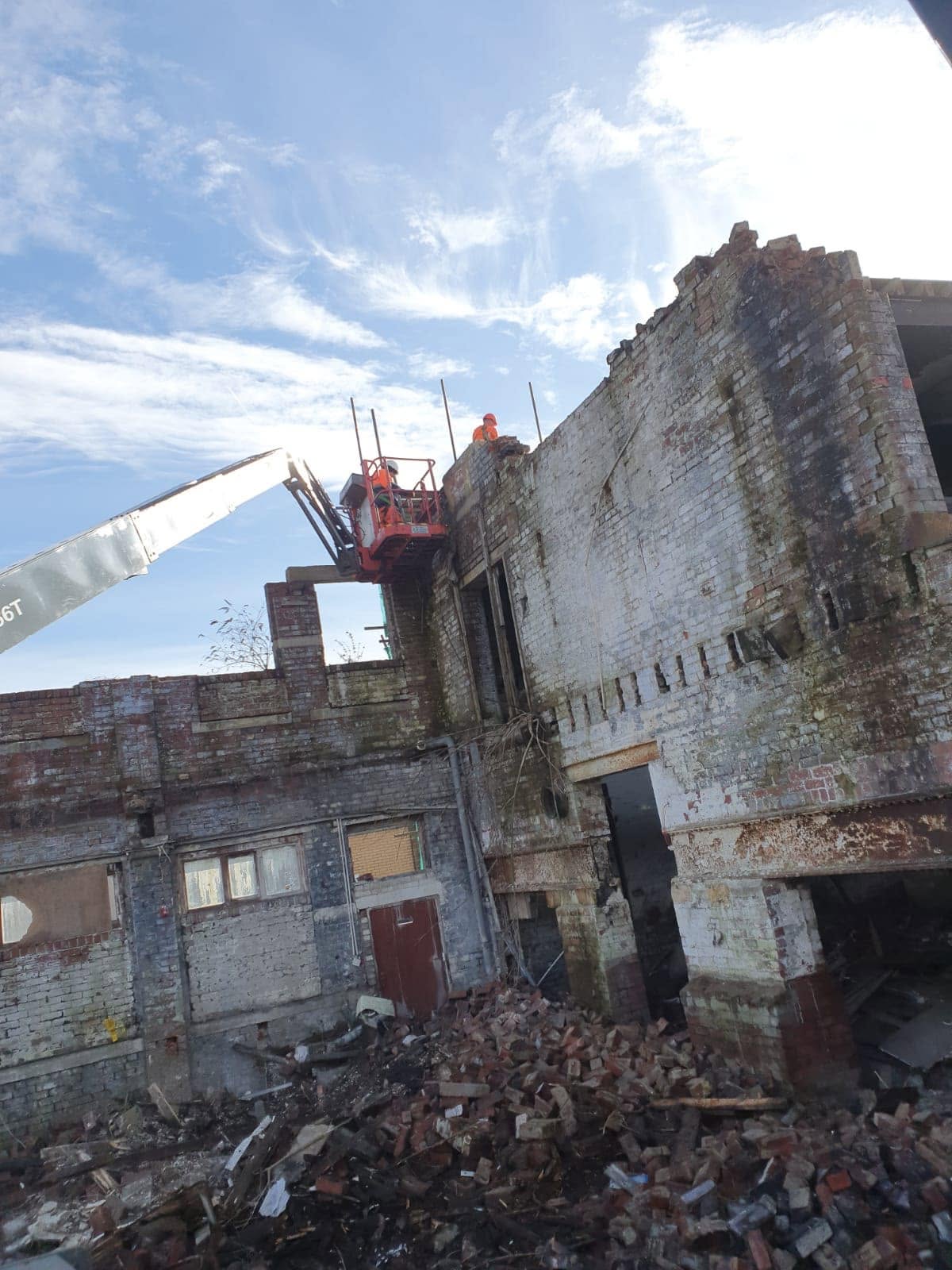
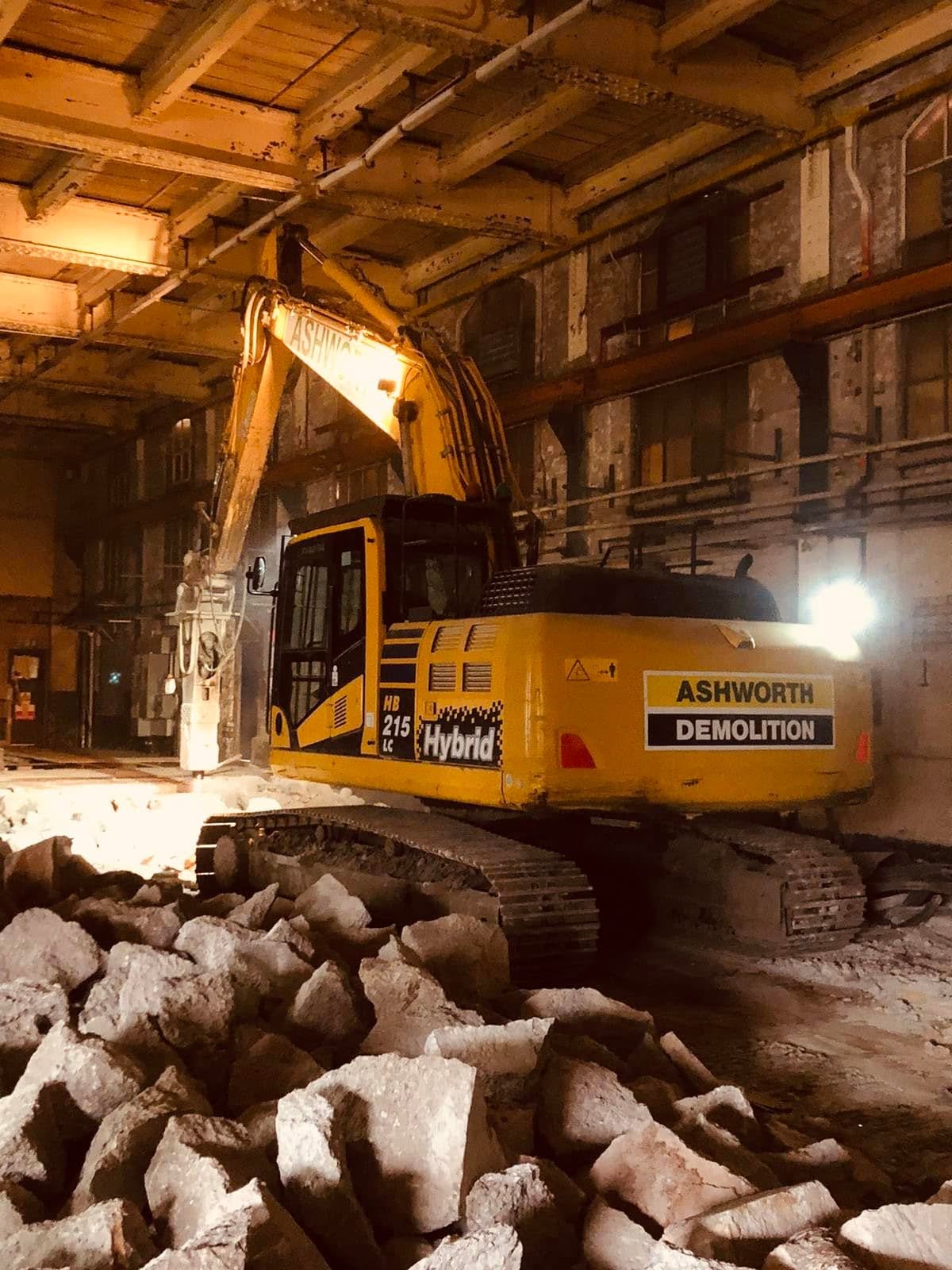
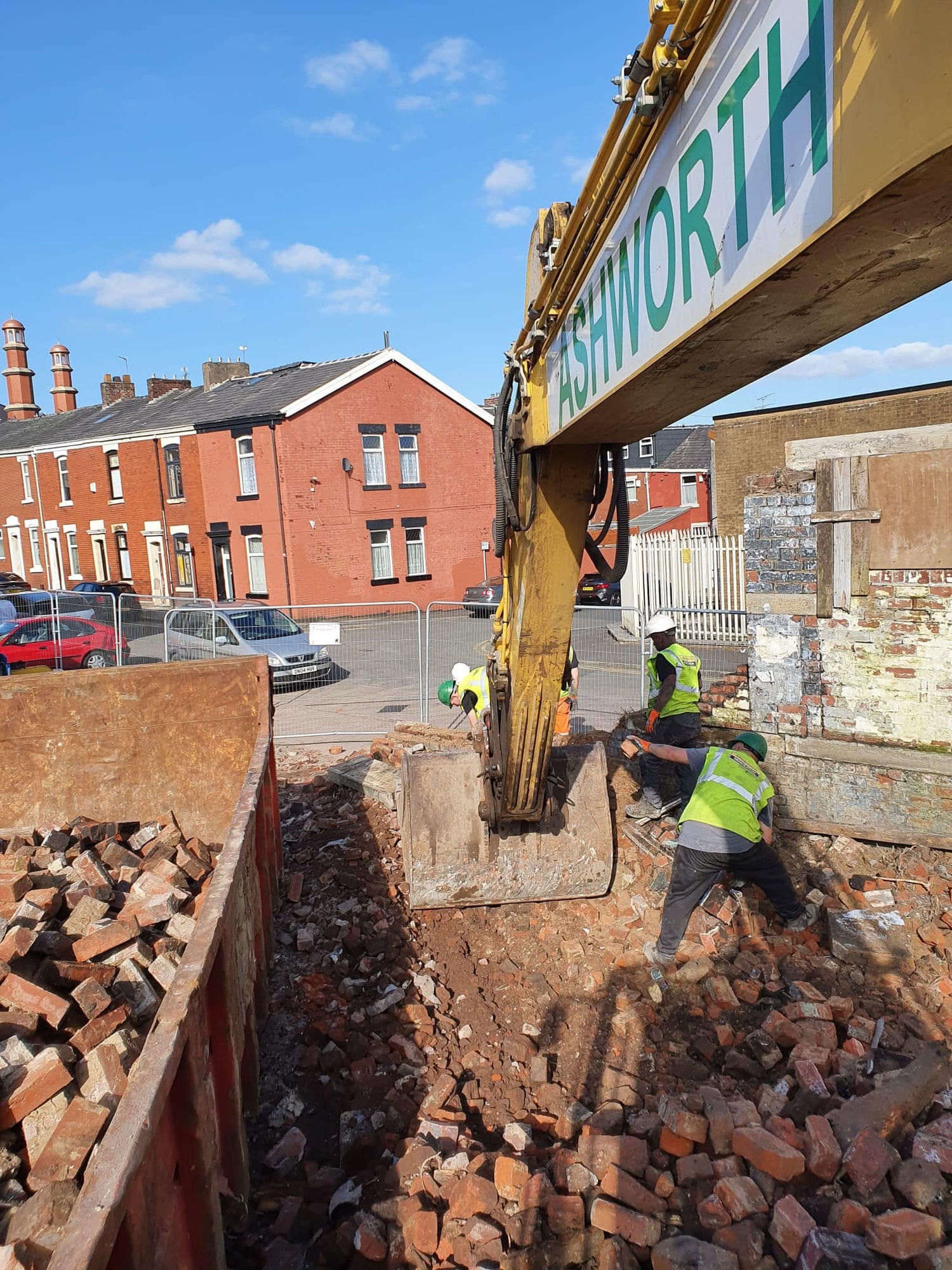
Across Whalley (BB7) it is mostly partial demolition behind retained frontages, outbuilding removals and clearance for conversions, along with the crushing, recycling and muck away that goes with all of it. Whalley is a market town with a conservation area at the middle of it, so a fair share of the work is careful partial demolition and strip out behind a retained frontage, where hoardings, dust suppression and telling the neighbours matter as much as the machine. Every job starts with somebody coming to look at the building rather than a price guessed from a description.
Do you charge extra to come out to Whalley?
No. Whalley is roughly 10 miles from the yard at Slaidburn, well inside the daily patch, so travel sits in the price rather than on top of it and a survey visit is normally a few days away.
Do you cover Whalley?
Yes. Whalley has a tight conservation centre, so the work there leans toward careful partial demolition rather than a straight take-down. Give us a ring and we will tell you what we normally find in buildings around Whalley Abbey, what is likely to need doing before a machine can start, and roughly where you sit in the diary.
Does the type of building in Whalley change the job?
It does. Much of Whalley sits in or against a conservation area, so the question is usually not whether the building can come down but how much of it and what has to be kept. That means consent checked before anything is priced, partial demolition behind a retained frontage rather than a clean sweep, and stone and slate taken off by hand and stacked because it is going back on. Access is the other constraint: the plots behind a market town frontage are tight, and getting a machine in often decides the sequence.
Can you handle the disconnections and the paperwork in Whalley?
Yes, and it is usually what sets the start date rather than the demolition itself. We identify what is live, raise the gas, electric, water and telecoms disconnections with the network operators and chase them through, serve the Section 80 notice on the council, and work to the asbestos survey. You get the waste transfer notes back at the end. On a Whalley job that admin often runs longer than the machine time, which is why it gets started the day the job is agreed.
How soon could you start in Whalley?
Whalley is around 10 miles from the yard, so getting out to survey and price is quick. The actual start depends on the utility disconnections, any consent the building needs and where the machines are, which is normally a few weeks rather than a few days. We would rather give you a real date than a hopeful one, so ring and we will tell you what the next honest slot looks like.